
Help2Pay
My role
UI/UX Designer
Product
crypto-app
duration
July 2025 - Sept 2025
The Problem
Managing money across borders shouldn’t feel like solving a puzzle — yet for many users, converting crypto to cash, paying bills, or sending funds internationally is scattered across too many platforms. It’s slow, expensive, and confusing.
The Goal
Create a seamless, all-in-one platform where users can send, swap, and manage money — crypto or fiat — effortlessly. A fast, secure, and intuitive experience that makes moving money feel as easy as sending a text.
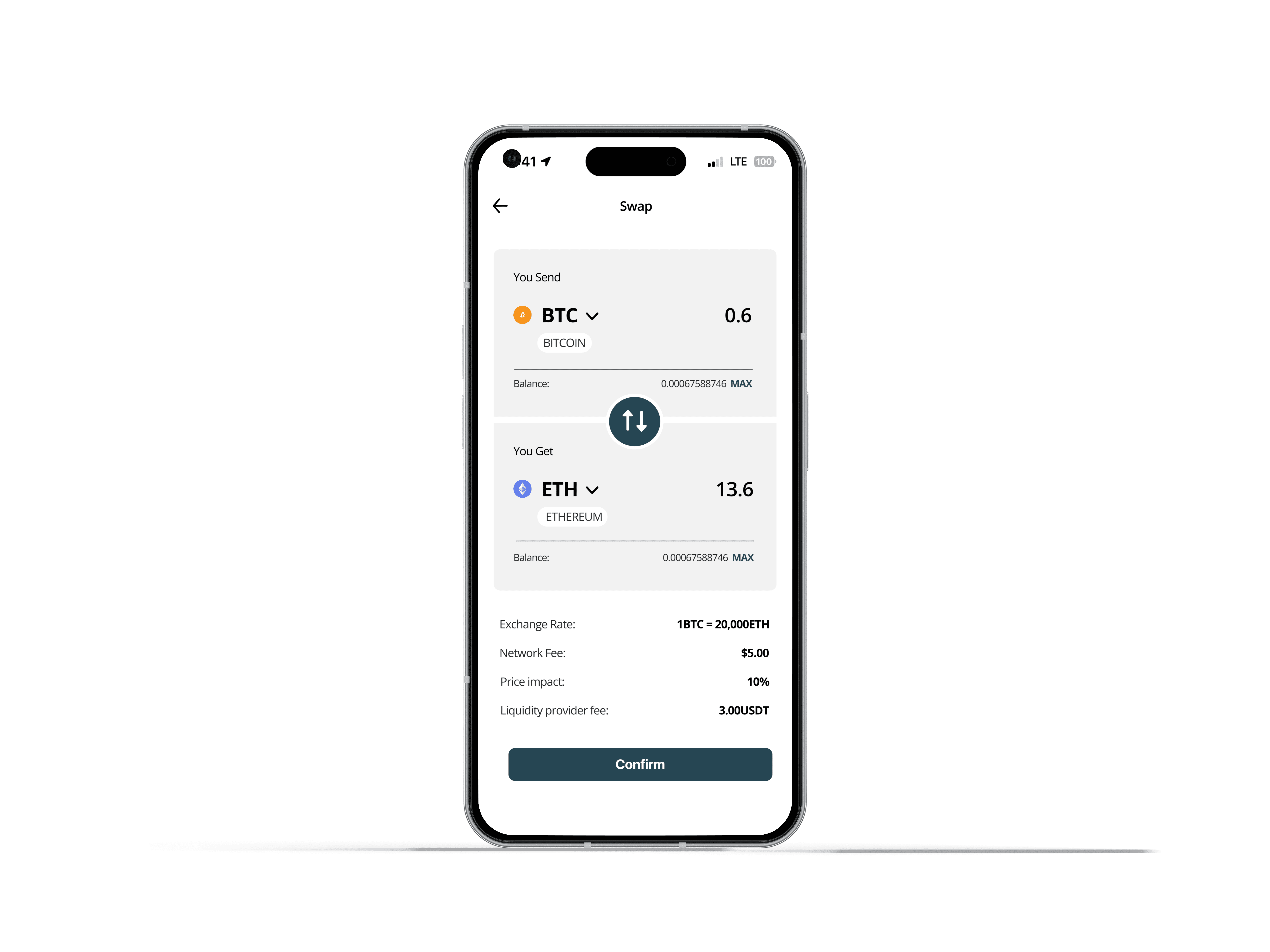
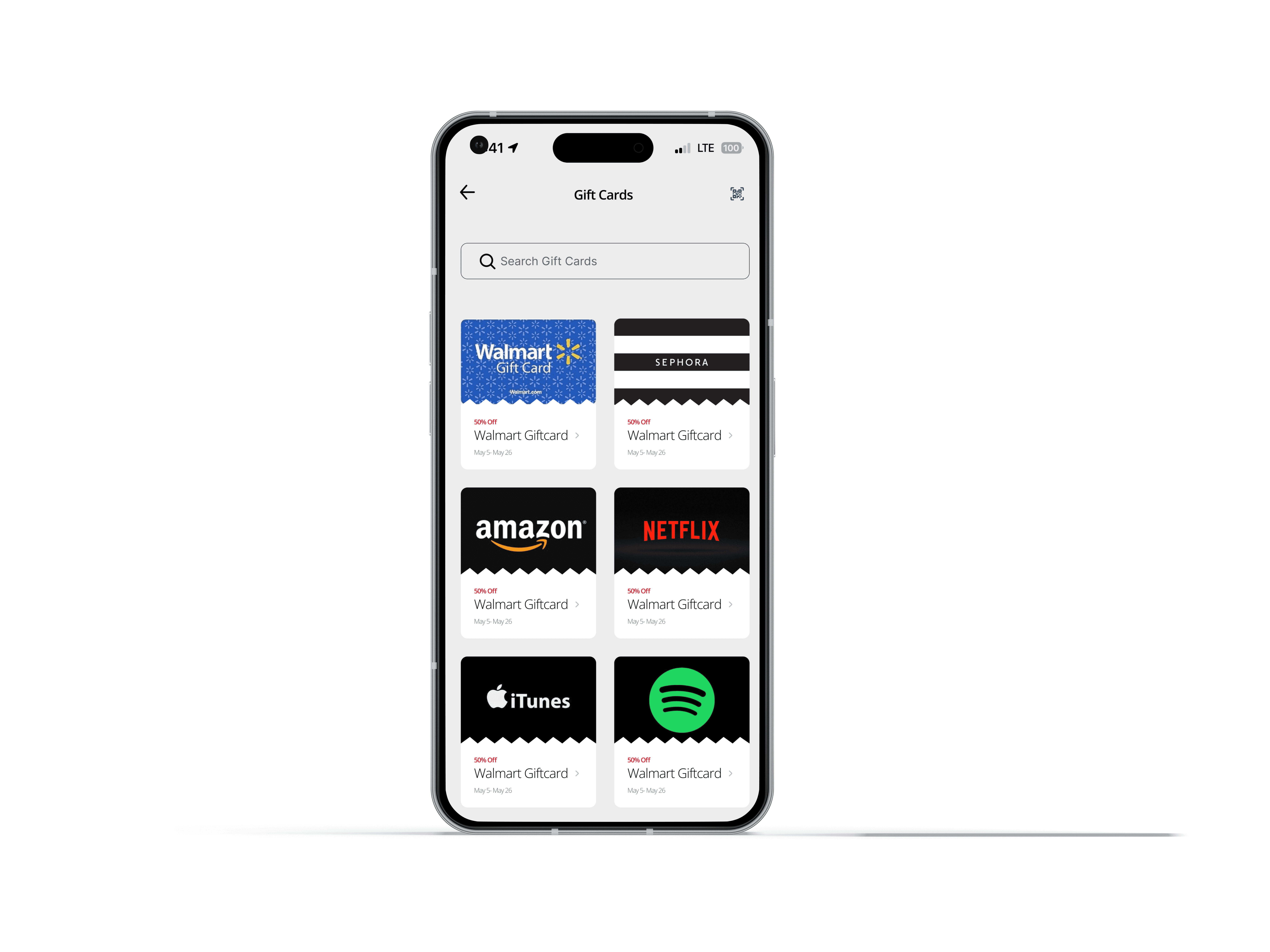
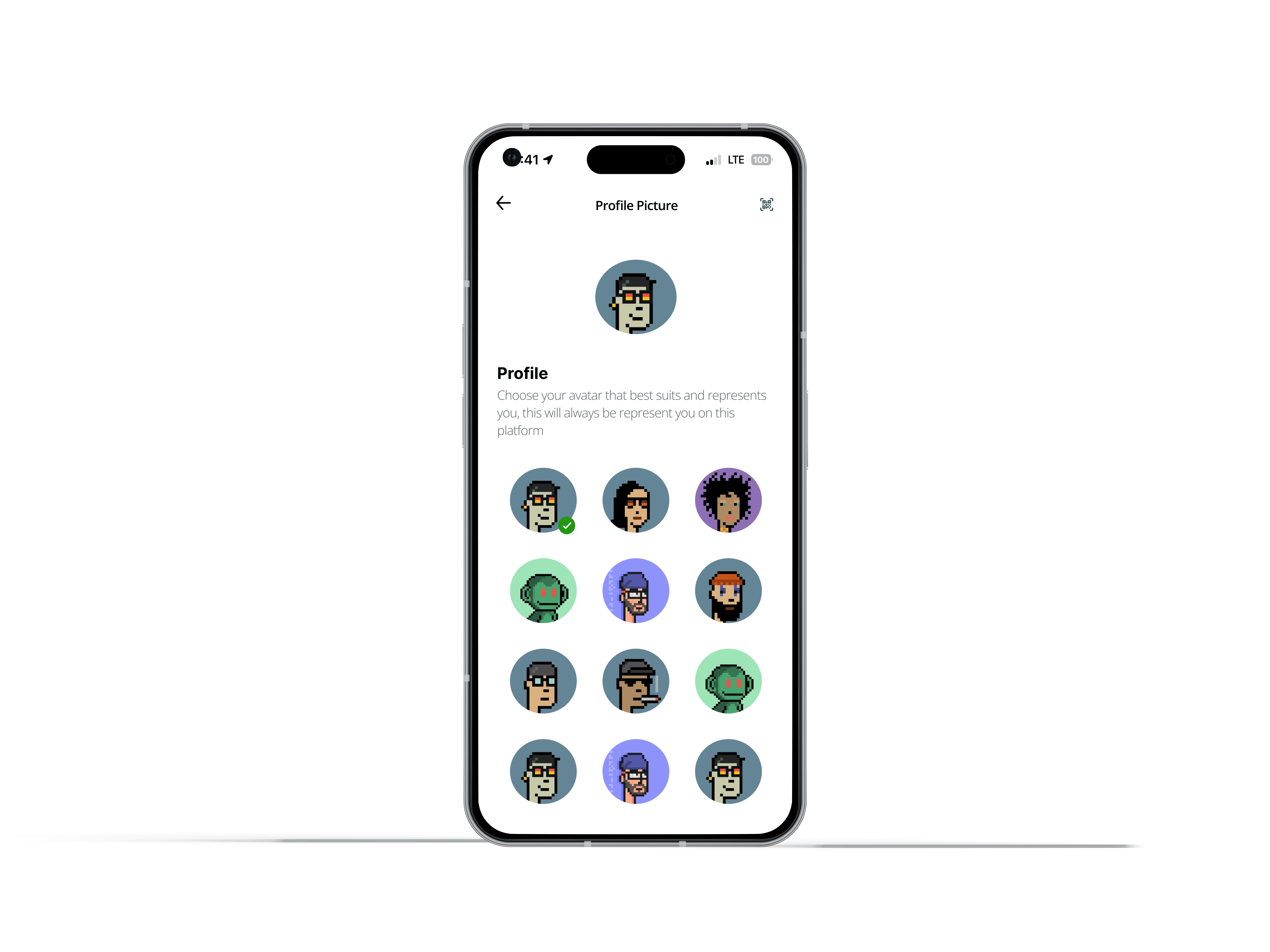
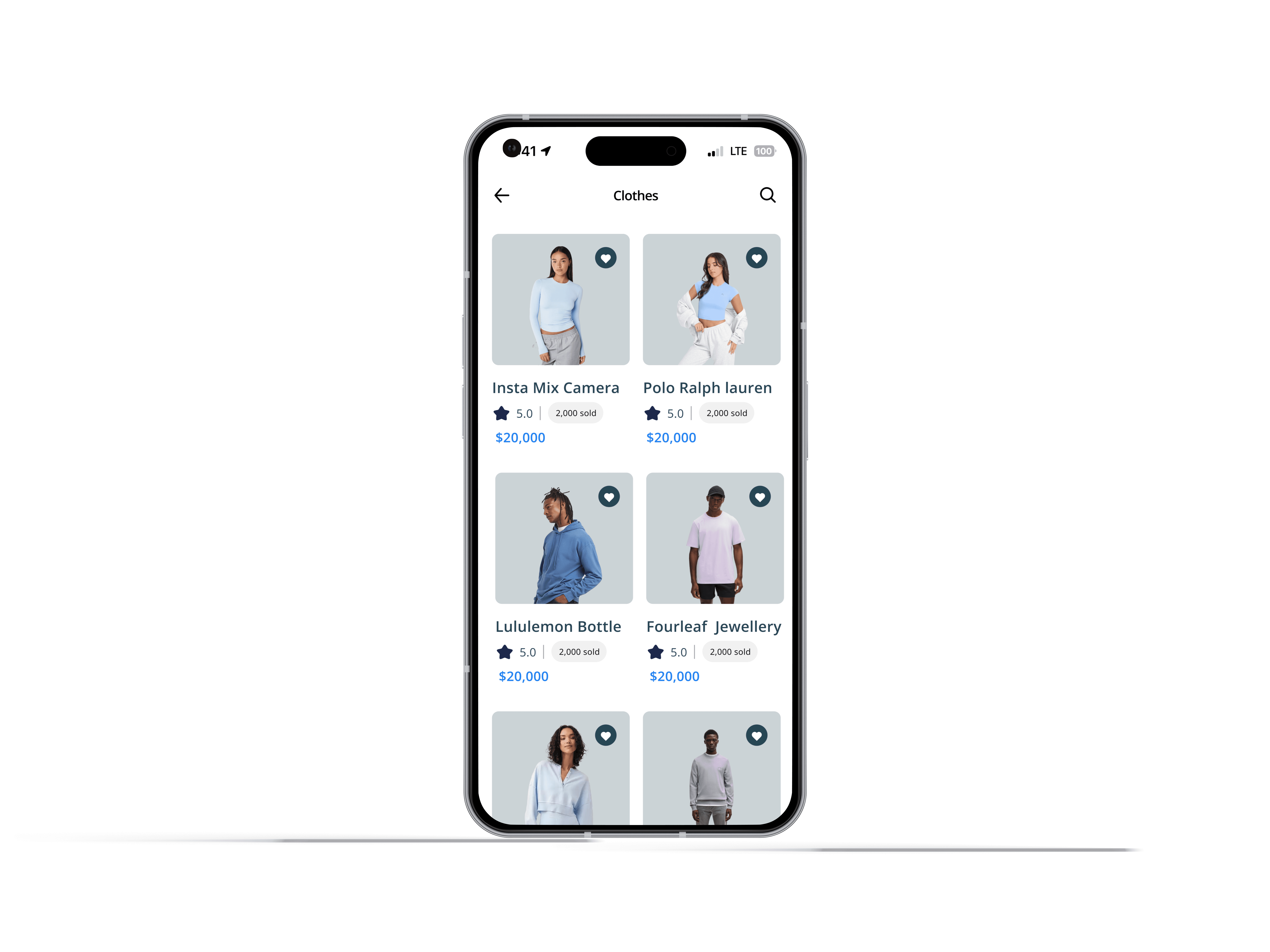
Scroll to read
Secondary research
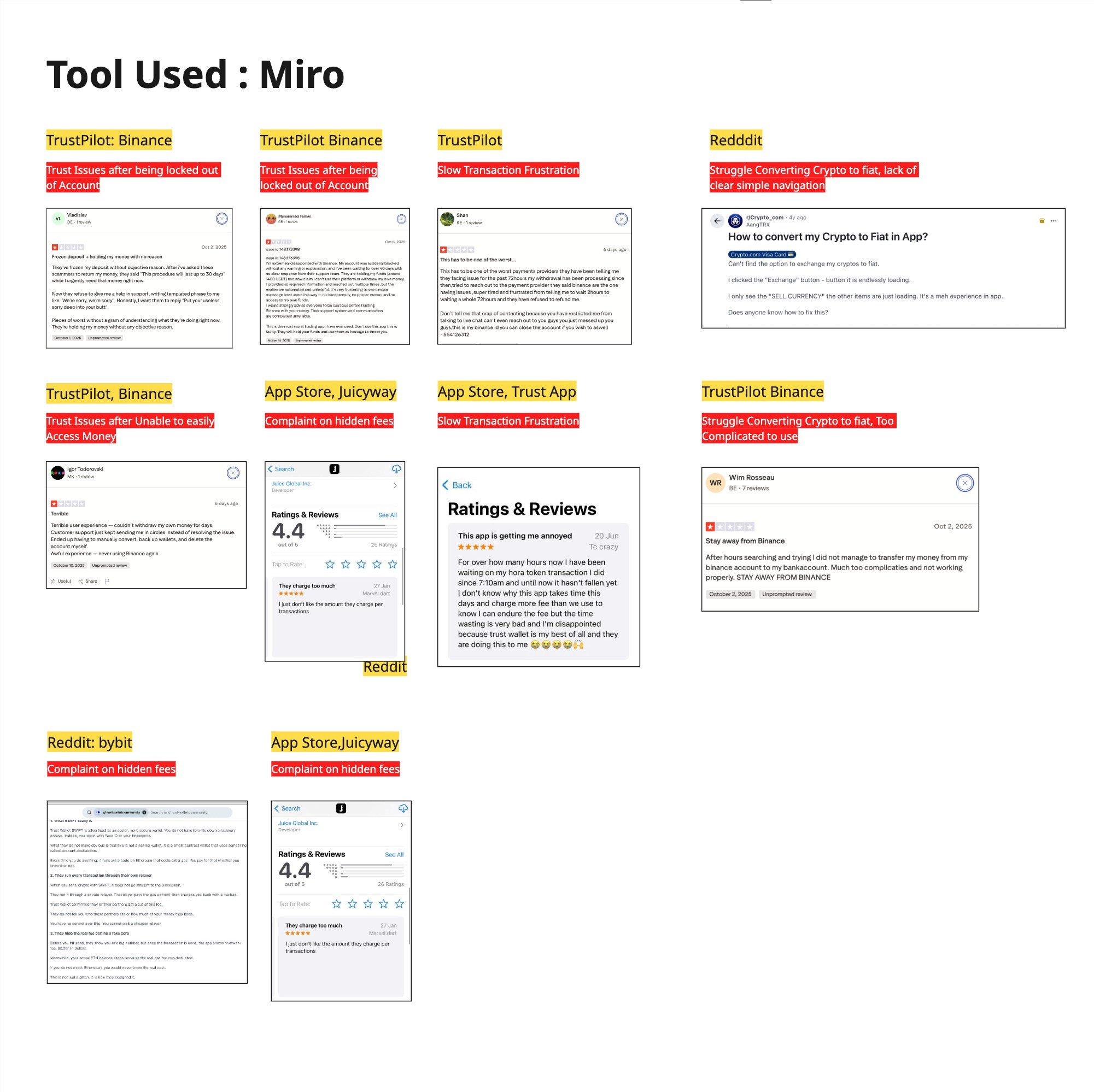
To understand real pain points users face with existing money transfer and crypto platforms, I analyzed over 100+ public reviews across Trustpilot, App Store, Play Store, and Reddit.
This secondary research helped uncover common frustrations and desires that informed the early direction of Help2Pay.
Painpoints
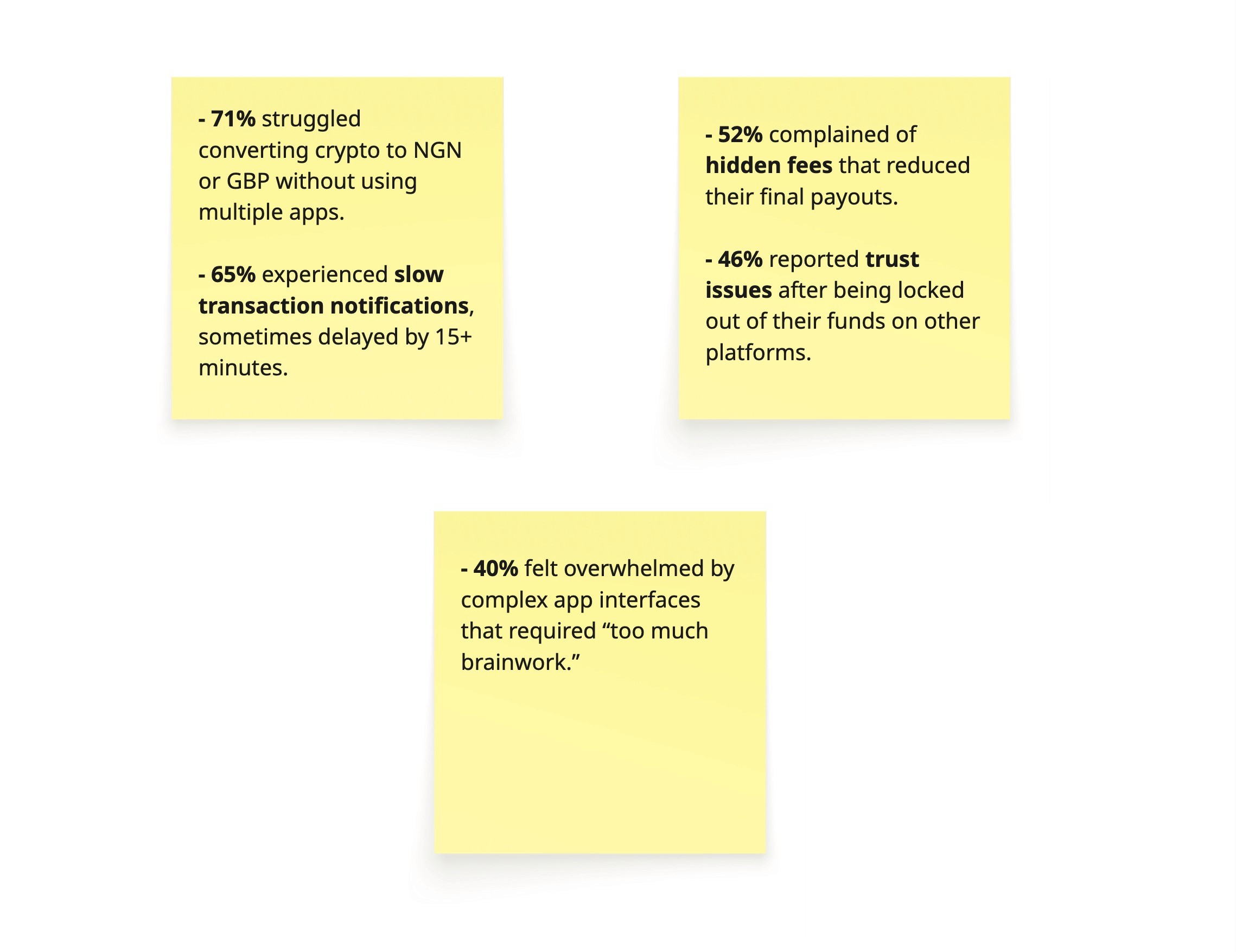
Users wanted:
Faster and transparent transfers
A single platform for crypto and fiat
Easy bill payments and shopping
Simple, intuitive UI with trustworthy branding

Scroll to read
user persona
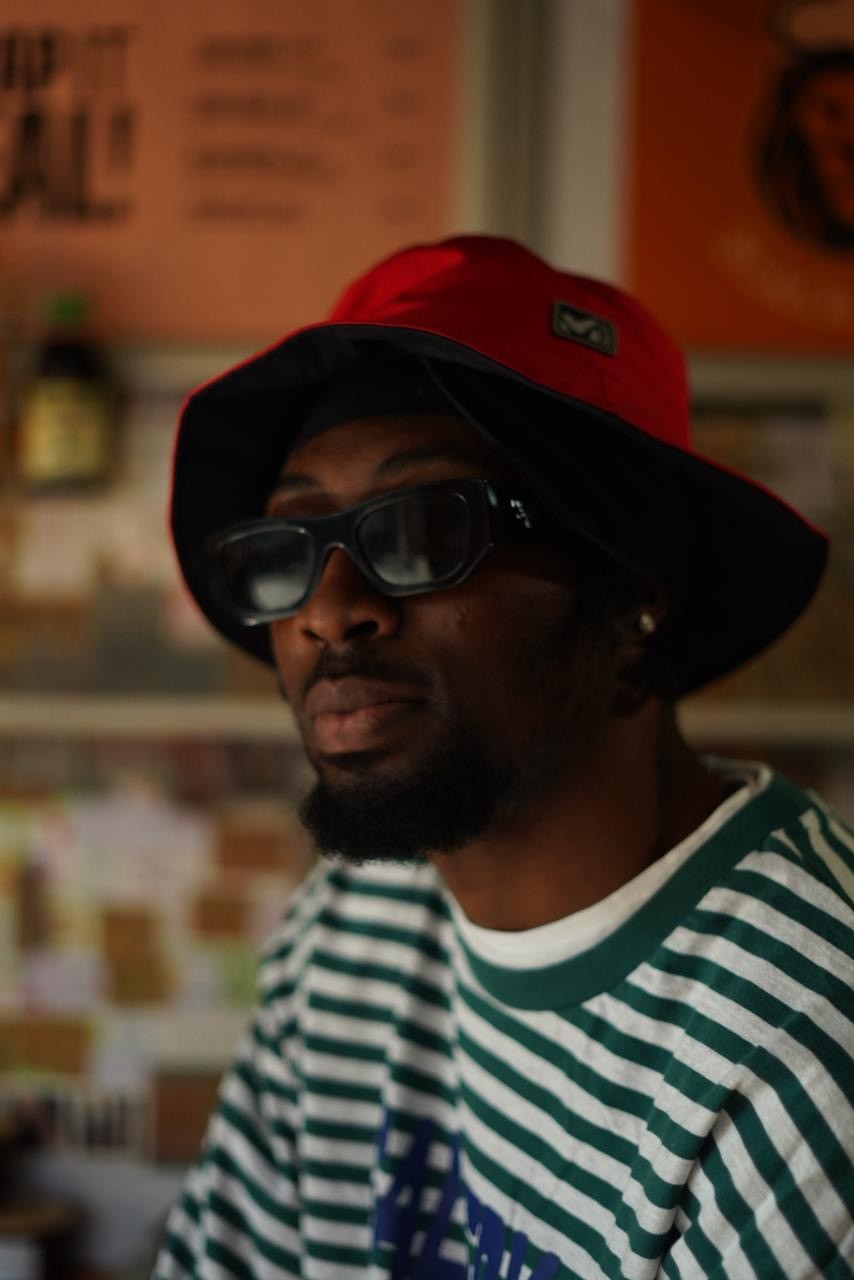
Name: Mc-Anthony Jeremiah
Age: 28
Location: Lagos, Nigeria
Occupation: Music Artist & Freelance crypto trader
Goals:
Convert crypto to fiat quickly
Trust the platform with large transactions
Pay bills and make transfers without switching apps
Frustrations:
“I hate waiting 15 minutes for a transfer to go through.”
“Most apps are confusing — I need something simple.”
Quote: "I just want a fast and clear way to move my money without feeling like I'm solving a puzzle"
Design process
We started by uncovering user pain points through research, then iterated through ideation and prototyping to create an intuitive, efficient solution.

Scroll to read
mind map
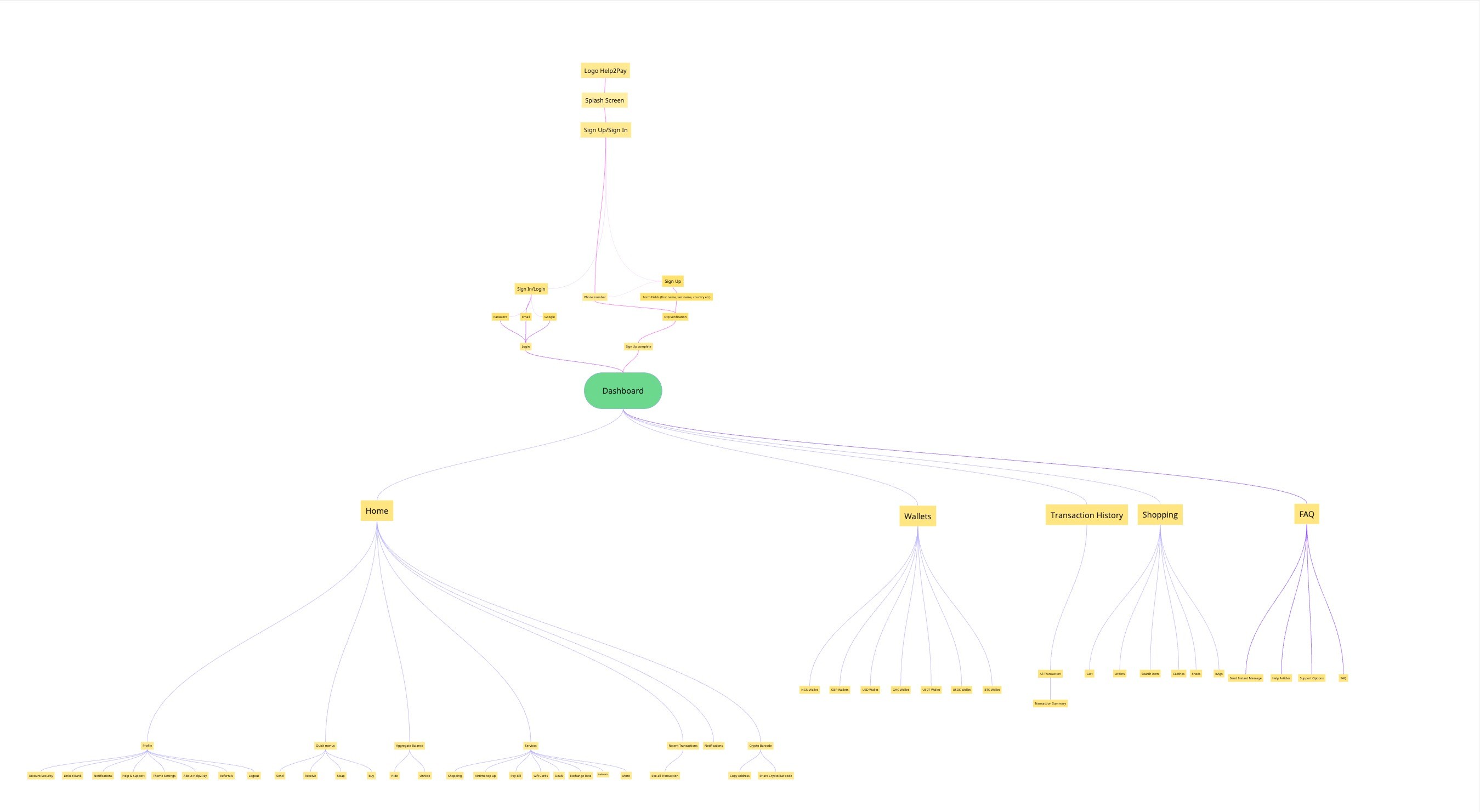
Held a brainstorming session with the CTPO and Product Manager to align on product vision.
Defined the core user problems, goals, and key flows.
Mapped out end-to-end product structure — from onboarding to daily transactions.
Prioritized must-have features vs. future iterations.
Set a clear direction for ideation and wireframing.
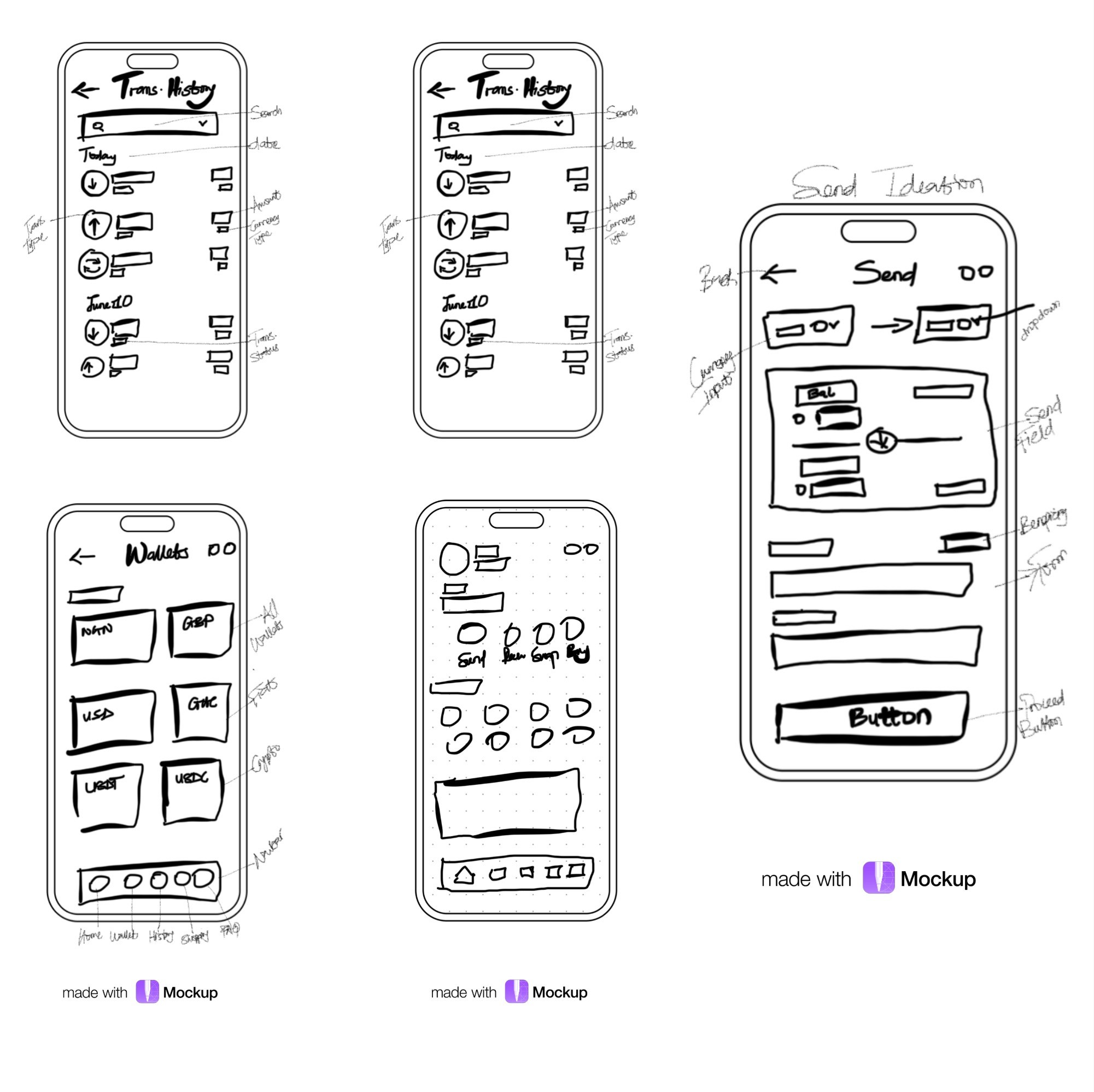
paper wireframes
Sketched early layout ideas for onboarding, dashboard, and transaction flows.
Explored multiple variations to simplify complex user paths.
Focused on clarity, ease of navigation, and quick access to core actions.
Used sketches to gather early team feedback and guide digital wireframes.
+300 Screen Wireframed
Scroll to read
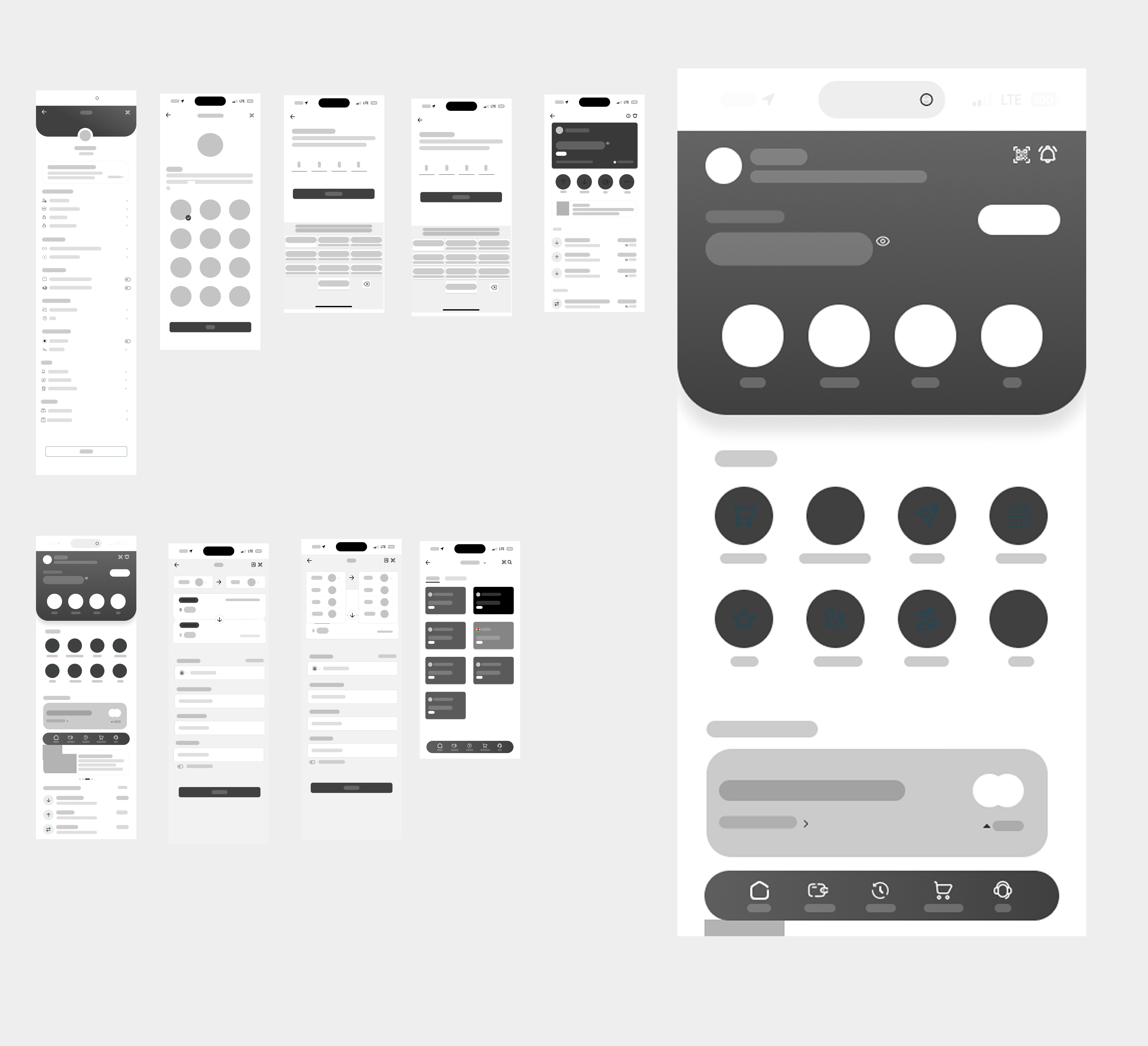
low-fi protoype
Translated wireframes into simple screens showing send, swap, and manage money flows
Focused on fast, secure, and intuitive navigation across crypto and fiat wallets.
Used placeholders to test button placement, dashboard layout, and key actions.
Iterated based on early feedback to smooth transaction flows and reduce friction.
Validated core features before moving to high-fidelity design.
More low-Fi Prototype
+300 Screen low-fi wireframes

Initial Hi-Fi Prototype
In the first design iteration, the goal was to create a functional and visually clean interface that gave users access to core features like Send Money, Wallet, Giftcards, and Exchange Rates.
At this stage, the design focused on:
Establishing the overall structure of the platform.
Presenting the most important actions through a minimal dashboard.
Ensuring the flow from onboarding to transaction was intuitive and linear.
Scroll to read
usability testing & findings
Process:
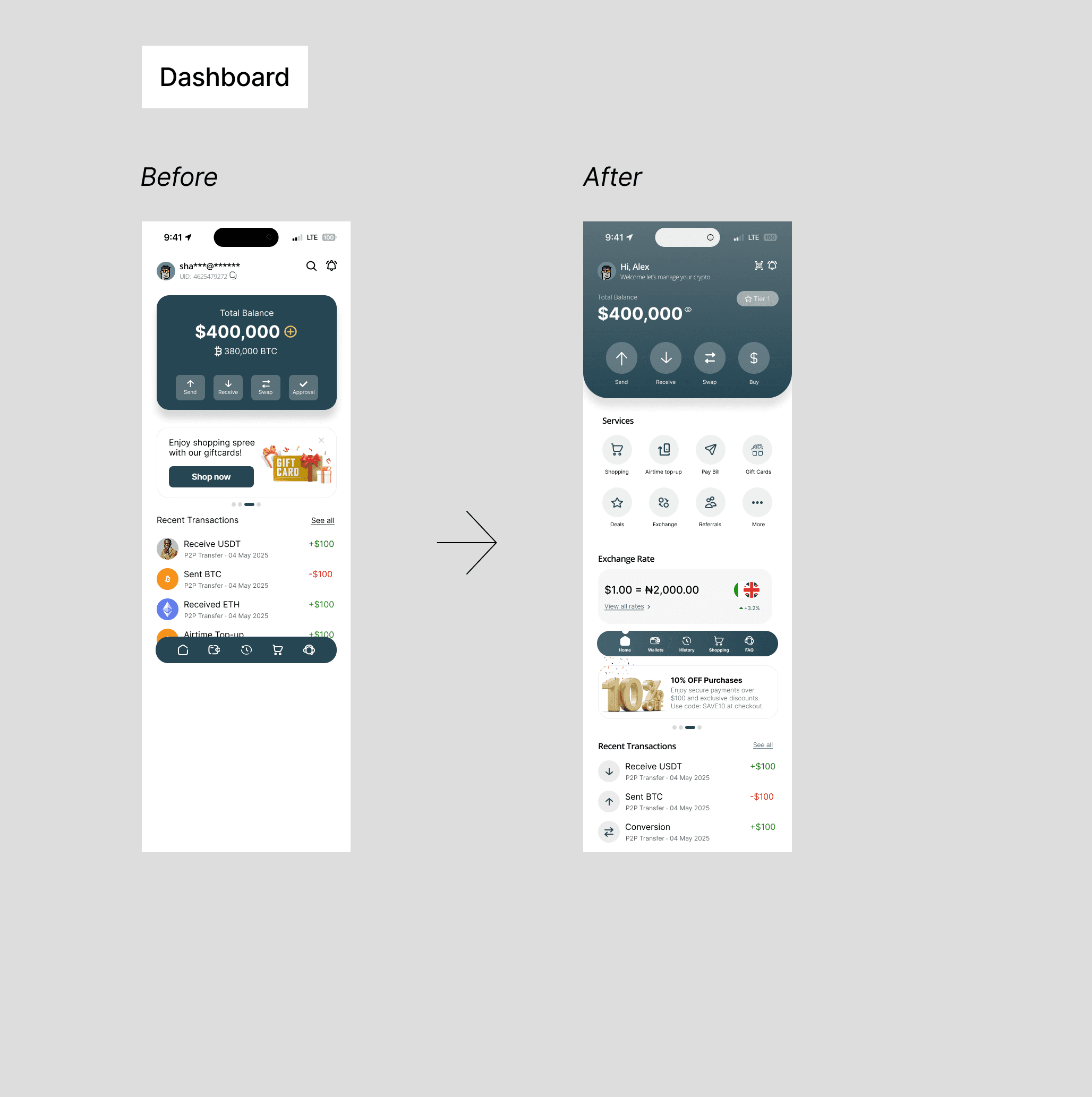
Conducted internal unmoderated usability testing with the team to evaluate alternative designs for the dashboard, Send Money flow, Receive Money flow, Swap flow, and navigation.
Observed how tasks were completed: sending money, switching wallets, accessing features, and reading dashboard information.
Highlighted usability issues with the dashboard, Send Money flow, and navigation.
Redesigned and iterated affected screens based on insights from testing.
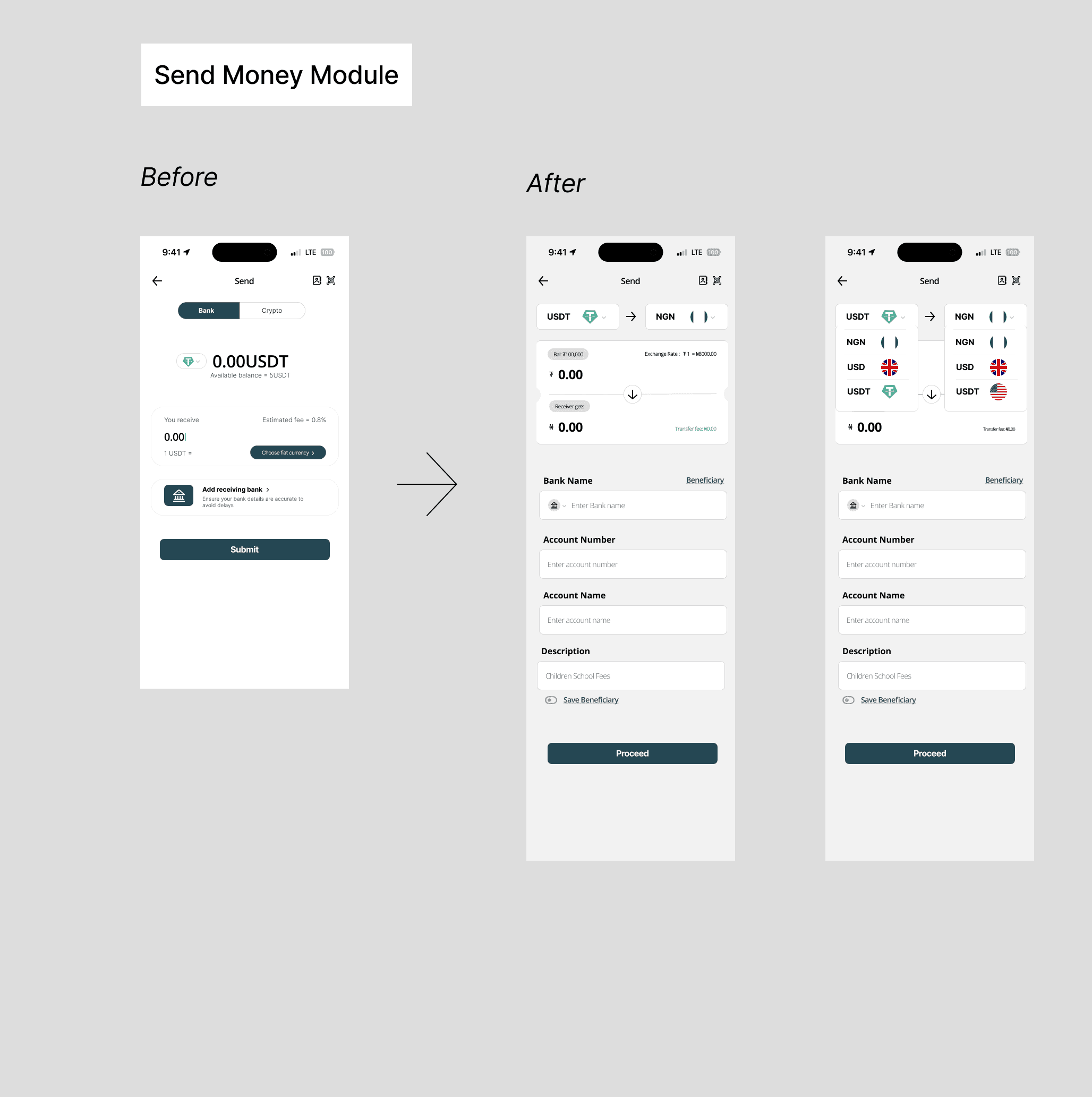
Ran internal A/B testing to compare alternative layouts, feature placements, and interaction patterns to identify the fastest and easiest-to-use options.
Iterative process resulted in a faster, more intuitive, and user-friendly dashboard and flows.
key discoveries
Hidden features slowed task completion: Users struggled to locate exchange rates, gift cards, and pay bills when buried in menus.
Complex Send Money flow caused confusion: Multiple screens and scattered input fields led to longer completion times and errors.
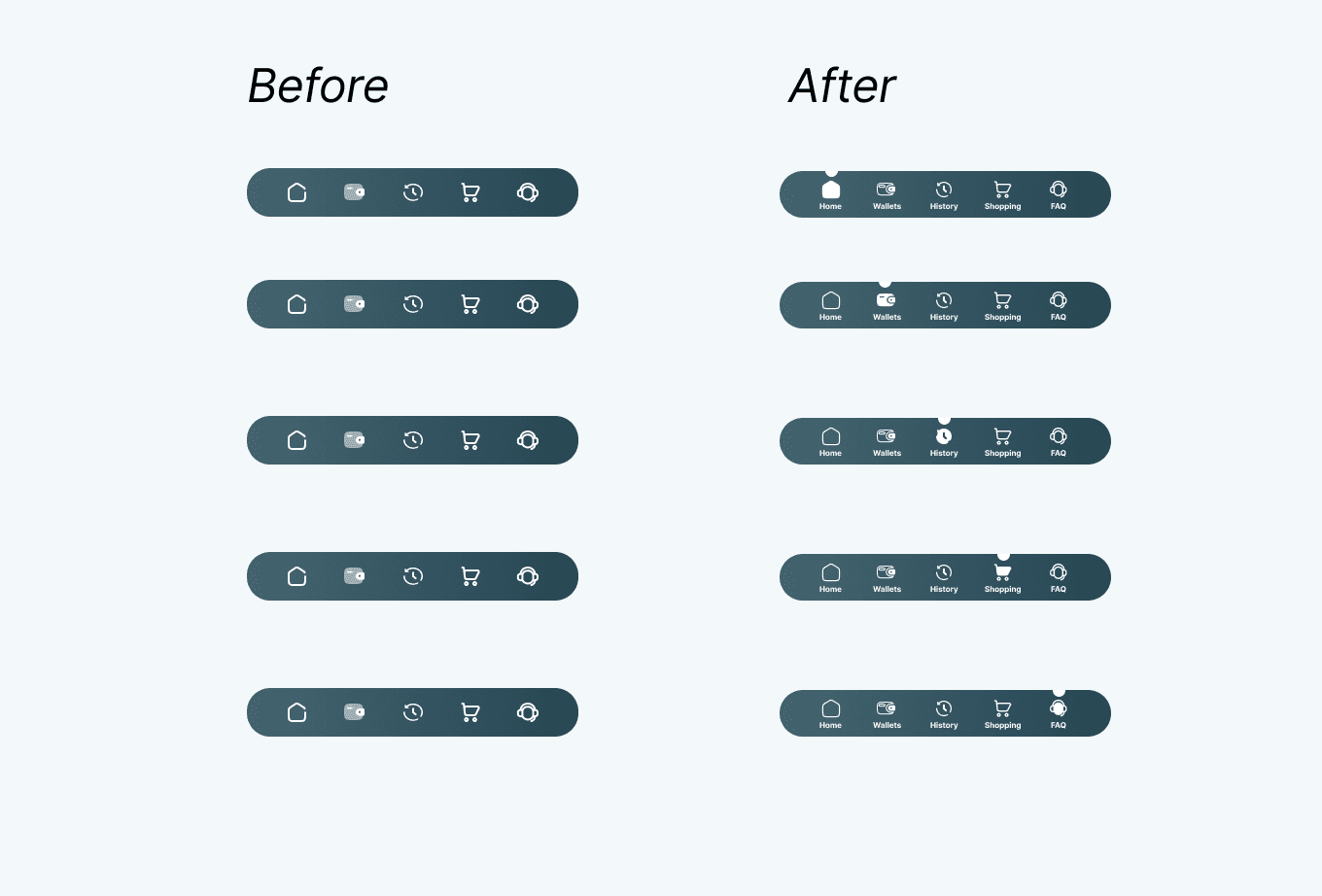
Navigation icons lacked clarity: Without labels, some users misinterpreted bottom navbar icons, leading to misclicks.
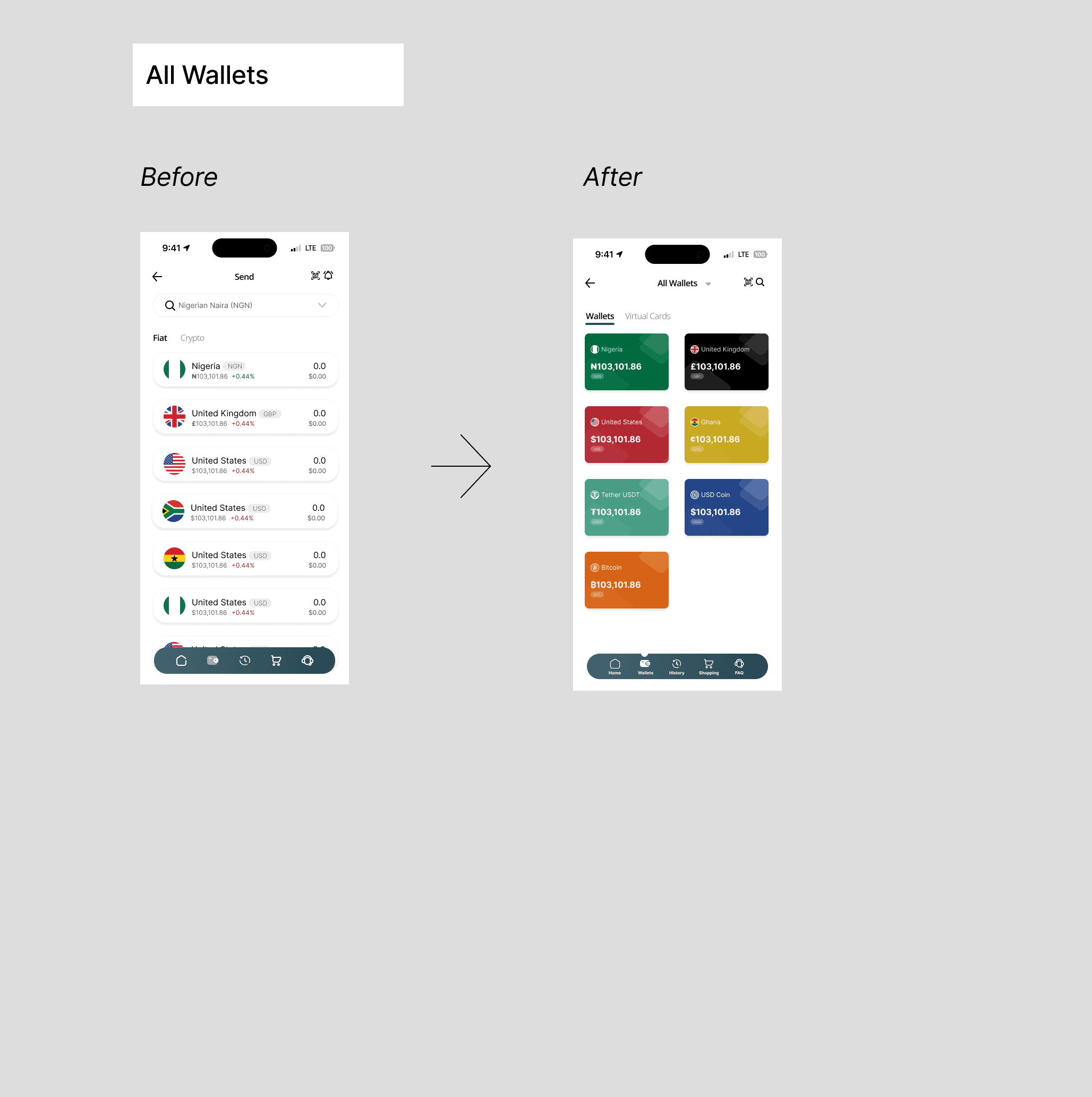
Wallet identification was unclear: Country flags alone weren’t enough to differentiate wallets quickly.
Scroll to read
key discoveries
Introduced distinct wallet card styles with currency flags, colors, and symbols for faster recognition.
Recognition speed improved by 40%, wallet selection errors dropped from 15% → 3%, and user confidence rose by 20%.
Enhanced color contrast and consistent layouts improved visual accessibility and reduced cognitive load.
accessibility considerations
Simplified the Send Money flow to lower cognitive load and improve task efficiency by 35%.
Introduced labeled navigation icons and clear titles to improve orientation, reducing misclicks from 25% → 5%.
Enhanced interaction clarity with consistent icon behavior and visual feedback, supporting users with motor or attention challenges.
Surfaced key features (Exchange Rates, Gift Cards, Pay Bills) through a quick-access dashboard, increasing discoverability from 45% → 85% for users relying on assistive tools.
Redesigned wallet cards with distinct colors, contrast, and currency flags, boosting recognition speed by 40% and first-attempt accuracy to 95%.
Overall accessibility improvements contributed to a +12-point SUS score gain, reflecting greater ease of use and inclusivity.
Impact
01
Reflections
Delays in meetings and postponed review sessions made it challenging to get timely stakeholder feedback and align on usability updates.
02
Lessons
Asynchronous feedback using Figma comments, clear labels, and Autoflow let stakeholders review designs at their pace while keeping collaboration smooth.
03
Next Steps
Going forward, I’ll set clearer review timelines and combine async tools with scheduled check-ins to ensure faster iteration and decision-making.
What I bring to the table
Digital experiences that engage users and help your startup stand out from day one